
Abnormal Liver Function Test- Explained
Liver function tests (LFTs) are a set of blood investigations used to assess how well the liver is working. They check the levels of different enzymes, proteins, and substances handled by the liver, including ALT, AST, ALP, bilirubin, and albumin. Each of these markers offers important clues about liver health, helping identify signs of inflammation, injury, or reduced function.
Abnormal Liver Function Test (LFT) results happen when the levels of certain enzymes, proteins, or other substances in the blood fall outside the normal range. Such changes may point to liver injury, disease, or even other health conditions that need medical evaluation.
However, an abnormal result does not always mean a definite diagnosis. Instead, it acts as a warning sign that further tests may be needed. Knowing the possible causes, symptoms, and treatment options is important to identify the underlying issue early and manage liver health effectively.
About Abnormal Liver Test
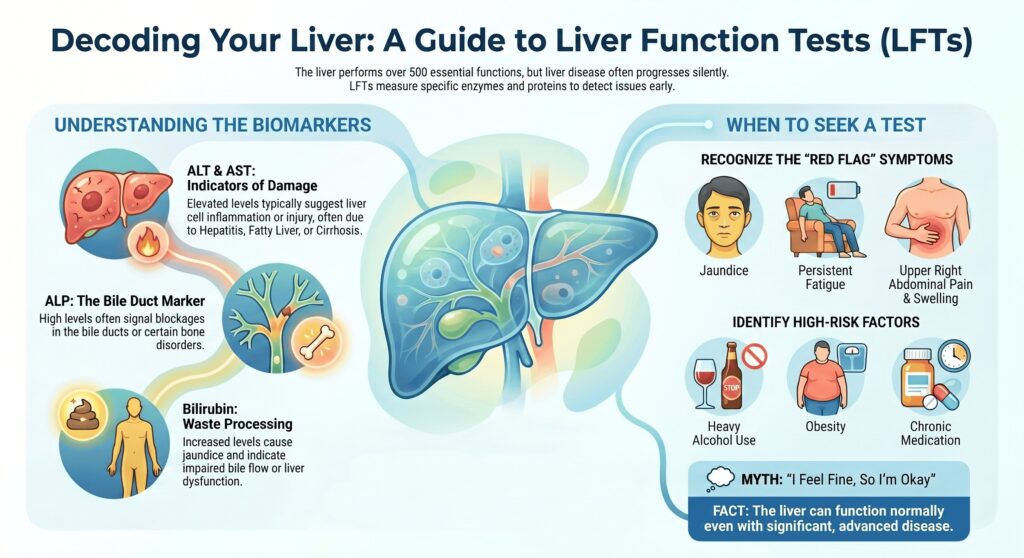
Liver Function Tests (LFTs) are simply a group of blood tests that assist the Hepatologist in checking how well the liver is functioning by efficiently measuring certain enzymes, proteins, and substances. Some of the main components include:
- ALT (Alanine Aminotransferase): Higher levels may suggest damage or inflammation in liver cells.
- AST (Aspartate Aminotransferase): Mainly Found in the liver as well as muscles; increased levels can be indicative of liver issues or other conditions.
- ALP (Alkaline Phosphatase): Linked to bile ducts; increased levels may point to blockages or bone-related issues.
- Bilirubin: Mainly Formed when red blood cells break down; increased levels can cause jaundice and can be related to some or the other type of liver or bile duct disorders.
An abnormal LFT is shown on the report when any of these values are outside the normal range. For example:
- High ALT or AST may be a sign of liver inflammation or conditions like hepatitis, fatty liver, or cirrhosis.
- Raised ALP can indicate issues with bile flow or liver disease.
- Increased bilirubin may suggest problems with bile movement, liver function, or rapid breakdown of red blood cells.
Abnormal LFT results act as an early warning sign, and further tests are usually needed to find the exact cause and decide the right treatment.
The Causes of Liver Function tests Abnormal Results
1. Liver-related conditions
Diseases such as hepatitis, fatty liver, and cirrhosis are common reasons for abnormal LFTs.
- Hepatitis, usually caused by viral infections, leads to inflammation of the liver and raises ALT and AST levels.
- Fatty liver disease, often linked to obesity or metabolic issues, can disturb enzyme levels and indicate liver stress.
- Cirrhosis, which involves long-term scarring of the liver, affects its ability to function properly, resulting in abnormal enzyme and protein readings.
- Genetic Conditions such as Wilson’s Disease: A disorder where copper builds up in the liver in abnormal amounts and including Hemochromatosis: A condition marked by excess iron storage, which can harm liver tissue.
- Several additional factors can also affect liver function, including conditions like celiac disease, liver tumors or cancer that has spread from other areas, and serious infections in the bloodstream. Viral illnesses such as mononucleosis may also impact the liver. In some cases, certain medications—such as cholesterol-lowering drugs, anti-inflammatory medicines, or antibiotics—can influence liver test results.
2. Alcohol, medications, and toxins
Heavy alcohol intake can inflame the liver and increase enzyme levels. Some medicines, including common pain relievers and cholesterol-lowering drugs, may also put strain on the liver. In addition, ongoing exposure to harmful chemicals or toxins can damage liver cells and affect test results.
3. Infections and autoimmune disorders
Certain infections, like mononucleosis or cytomegalovirus, can temporarily impact liver function and raise enzyme levels. Autoimmune conditions, such as autoimmune hepatitis or primary biliary cholangitis, cause the body’s immune system to attack the liver, leading to abnormal test findings.
Doctors identify the problem early and suggest the right treatment to protect liver health by understanding these possible causes.
The time you should consider a Liver Function Test
An LFT is recommended if you have risk factors or notice symptoms that may indicate liver problems.
Risk factors
People with a family history of liver disease, frequent alcohol use, or unhealthy habits like a high-fat diet and lack of physical activity should consider regular testing. Age and long-term use of certain medications can also increase the need for monitoring liver health.
Symptoms to watch for
- Jaundice: A yellow tint in the skin and eyes due to increased bilirubin levels.
- Abdominal Pain: Discomfort, especially on the upper right side, which may point to liver swelling or irritation.
- Fatigue: Ongoing tiredness that can be linked to long-term liver issues.
- Dark Urine or Light-Colored Stools: Color changes caused by problems with bile flow.
- Itching: Skin irritation that can usually occur when bile salts build up in the bloodstream.
- Unintentional Weight Loss or Changes in Appetite: Possible signs of liver-related or broader health concerns.
If you experience any of these signs or fall into a higher-risk group, getting an LFT can help detect issues early and guide timely care.
Treatment for Abnormal LFTs
1. Fatty Liver Disease
Making lifestyle changes is key—losing weight, exercising regularly, and eating a healthy, low-fat, low-sugar diet. Avoiding alcohol is especially important in alcohol-related cases.
2. Hepatitis
For viral hepatitis, doctors may prescribe antiviral medicines to control the infection. If it is caused by alcohol or toxins, stopping alcohol and removing the harmful substance is essential, along with proper nutrition and hydration.
3. Cirrhosis
In early stages, diet changes, less salt intake, and medicines can help manage symptoms. In severe cases, a liver transplant may be needed.
4. Metabolic Syndrome
This involves controlling blood sugar, cholesterol, and body weight through medications, diet, and regular exercise.
5. Autoimmune Liver Diseases
Treatment usually includes medicines that reduce the immune system’s attack on the liver and control inflammation.
How to Prevent Abnormal LFTs
- Eat a healthy, balanced diet with more natural and less processed foods
- Physical activity is important to maintain a healthy weight
- Limit or avoid alcohol
- Take medicines only after consulting a doctor
- Get vaccinated for hepatitis A and B, particularly if you are at higher risk
These steps can help keep your liver healthy and reduce the chances of abnormal test results.
When should you consult a Hepatologist?
It’s important to consult a doctor if you:
- Notice ongoing symptoms such as yellowing of the skin or eyes, stomach discomfort, or constant tiredness
- Have a history of liver problems or risk factors like regular alcohol use or excess weight
- Get abnormal LFT results, even if you don’t feel any symptoms
Early medical advice can help identify the issue and prevent further complications.

Dr. Hemamala Ilango is a lead Hepatologist and Founder of The Liver World. She is a Liver specialist and Liver Transplant Physician, trained in Gastroenterology, Hepatology, Endoscopy, and Critical care. She treats critically ill and sick liver patients, especially cirrhotics, GI bleeding, and liver transplant patients.
Leave a Reply