
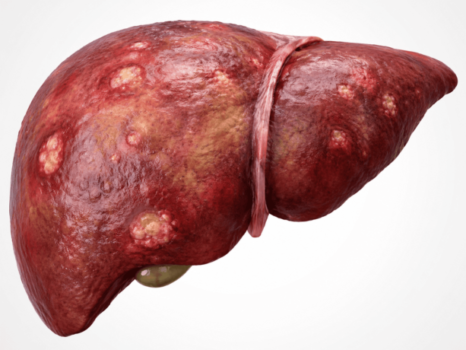
Hepatic Encephalopathy: Why Confusion Can Happen in Liver Disease
Hepatic encephalopathy is a condition where liver disease affects the brain. It can cause changes in sleep, behavior, alertness, memory, and sometimes even coma. It is usually seen in people with advanced liver disease or cirrhosis, but it can often be treated if identified early.
Why does hepatic encephalopathy happen?
A healthy liver removes toxins from the blood. In cirrhosis or severe liver disease, the liver may not clear these toxins properly. Some blood may also bypass the liver through abnormal blood vessels. As a result, toxins such as ammonia can build up and affect brain function.
What are the symptoms?
Hepatic encephalopathy can start subtly. Family members often notice the changes first.
Common symptoms include:
- Disturbed sleep pattern
Sleeping during the day and staying awake at night. - Forgetfulness or poor concentration
Difficulty following conversations, confusion with dates, or inability to do routine tasks. - Change in behavior or personality
Irritability, unusual quietness, agitation, or inappropriate behavior. - Slurred speech or slow responses
The patient may appear drowsy or “not fully present.” - Hand flapping tremor
When the hands are stretched out, they may flap or shake. - Severe drowsiness or coma
This is an emergency and needs immediate hospital care.
What can trigger hepatic encephalopathy?
Even a stable liver patient can suddenly develop encephalopathy if there is a trigger. Common triggers include:
- Constipation
- Infection
- Gastrointestinal bleeding
- Dehydration
- Excess diuretics or water tablets
- Kidney dysfunction
- Low sodium
- High protein intake in some situations
- Alcohol intake
- Sedative tablets or sleeping pills
Identifying and treating the trigger is as important as treating encephalopathy itself.
Is hepatic encephalopathy treatable?
Yes. Many patients improve well with timely treatment.
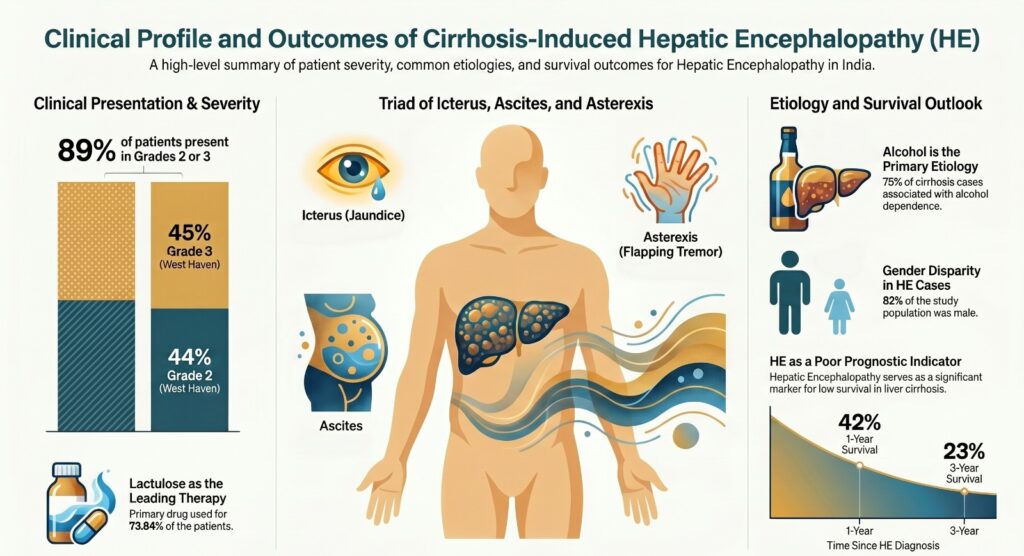
Common treatments include:
Lactulose:
This is a syrup that helps remove toxins through the stool. The dose is adjusted so that the patient passes around 2–3 soft stools per day. Too little may not work, and too much can cause dehydration.
Rifaximin:
This is an antibiotic that acts mainly inside the intestine and reduces toxin-producing bacteria. It is often used when episodes are recurrent or severe.
Treatment of the trigger:
Infections, bleeding, constipation, kidney problems, electrolyte imbalance, or dehydration must be corrected.
What should patients and family members do at home?
For patients with cirrhosis, families should watch carefully for early warning signs.
Seek medical advice urgently if the patient has:
- New confusion or drowsiness
- Reversal of sleep pattern
- Fever or suspected infection
- Black stools or vomiting blood
- Severe constipation
- Reduced urine output
- Repeated vomiting or dehydration
- Difficulty waking up the patient
Do not give sleeping tablets, sedatives, or painkillers without checking with a liver specialist.
Should liver patients avoid protein?
This is a common misconception. Most patients with cirrhosis should not completely discontinue protein intake. In fact, poor nutrition and muscle loss can worsen outcomes. The right amount and type of protein should be planned with your liver doctor or dietitian.
Vegetable protein, dairy-based protein, and small frequent meals may be better tolerated in some patients. A bedtime snack is often helpful in cirrhosis.
Can hepatic encephalopathy come back?
Yes. Some patients have repeated episodes. Regular medicines, avoiding constipation, preventing infections, stopping alcohol, and close follow-up with a liver specialist can reduce recurrence.
Repeated or severe hepatic encephalopathy may also mean that the liver disease is advanced. In such patients, the need for liver transplant evaluation may have to be discussed.
Key message
Hepatic encephalopathy is a serious but treatable complication of liver disease. Early recognition by family members can prevent worsening. If a person with cirrhosis becomes confused, drowsy, or behaves unusually, it should not be ignored.
Timely treatment can save life and prevent complications.

Dr. Hemamala Ilango is a lead Hepatologist and Founder of The Liver World. She is a Liver specialist and Liver Transplant Physician, trained in Gastroenterology, Hepatology, Endoscopy, and Critical care. She treats critically ill and sick liver patients, especially cirrhotics, GI bleeding, and liver transplant patients.
Leave a Reply